Food Dehydrator Buying Checklist: 7 Things to Check (2026) - food dehydrator, Product Comparisons
This article contains affiliate links. If you purchase through these links, we may earn a small commission at no extra cost to you.
Choosing a food dehydrator can feel overwhelming given the wide spread in prices, wattage, and tray configurations available today. Shoppers often struggle to decide whether a basic budget unit is sufficient or if paying extra for stainless steel racks and specialized airflow is worth the investment.
To simplify your purchase, this checklist breaks down actual market data from September 2026. By evaluating key specs like temperature precision, accessory bundles, and user ratings across price points from under $40 to around $140, you can confidently choose the ideal dehydrator for your needs.
The Checklist
1
Choose between plastic and stainless steel trays
Market options range from budget BPA-free plastic models under $40 to stainless steel units over $140. Premium metal units earn slightly higher customer satisfaction (up to 4.7★) compared to standard plastic models averaging around 4.4★.
2
Check total wattage and airflow design
Wattage ranges from 350W on entry-level models to 600W on higher-end units. Higher wattage combined with horizontal airflow delivers faster, more efficient drying, which correlates with higher review volume and top ratings in the market.
3
Review included accessories and specialty sheets
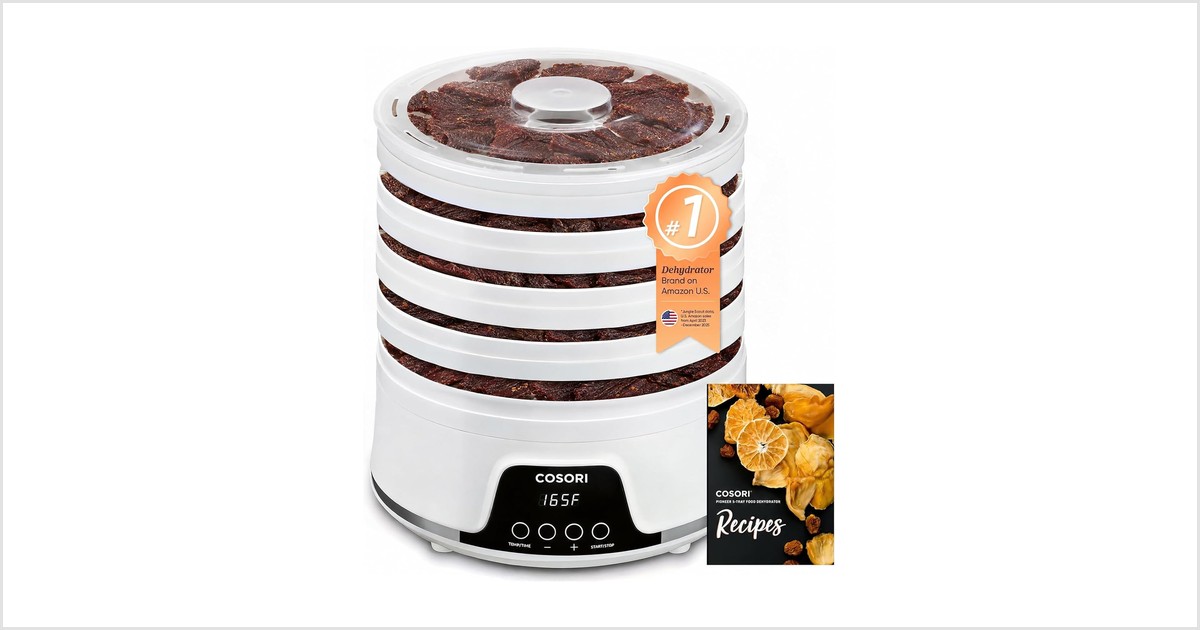
Base models under $40 include only trays, whereas options priced around $80 to over $140 pack in bonus accessories like fruit roll sheets, mesh screens, recipe books, or jerky seasoning samples for immediate versatility.
4
Verify timer length and precision temperature control
Look for digital controls featuring 48-hour timers and wide temperature ranges, such as 95°F to 165°F. Precise control ensures safe, accurate dehydration for delicate herbs, fruits, yogurt, and tough meats across various food types.
5
Determine tray expandability and total drying area
Compact models offer tray dimensions from 11.4 to 12.5 inches, while larger units supply up to 6.5 square feet of drying space. Some 5-tray plastic units allow expansion up to 7 trays as your needs grow.
6
Evaluate noise output for quiet household operation
Premium horizontal airflow units specifically highlight quiet operation under 48 decibels. If you plan to run 48-hour drying cycles in your main living space, noise specification becomes a key differentiator between basic and high-end dehydrators.
7
Compare price bands against customer satisfaction scores
With prices spanning from under $40 to around $140, entry models sit at a 4.4★ rating, whereas mid-tier and premium models around $50 to $140 achieve 4.6★ to 4.7★ across tens of thousands of customer reviews.
Prices, ratings and review counts based on Amazon listing data as of October 06, 2026. Current prices may vary. The RecoRader Score combines verified ratings, review volume and price value — see how we rank.
Bottom Line
When selecting your food dehydrator, balance your practical volume needs and budget against feature requirements like noise control and tray material. Market data indicates that while budget options under $40 provide accessible entry points with solid 4.4-star ratings, spending between $50 and $140 yields higher customer satisfaction (up to 4.7 stars). Premium 600-watt stainless steel models with specialized airflow sheets lead in overall feedback, making them the favored choice for frequent dehydrating, while expandable 350-watt models offer excellent mid-range value.